The 11-year-old question

What would become FourthCanvas in 2015 began on a casual evening walk two years earlier. At some point in the middle of random reflections on the mundane, a simple, random question popped up. As you are about to find out, there was nothing random about it.
I spent much of my childhood in my dad’s library, travelling wherever the illustrations in the encyclopedias and the endless versions of the Bible would take me. When I wasn’t behind those doors, I was turning the sheets of an annual almanac, amazed at how its photographs and colours changed from month to month. Who made these things? How did they decide what followed what? Why were some pages so pleasing to look at? Questions thought but never asked.
Bolaji grew up with a different view of the same world. In his dad’s basement, he watched his journalist-turned-newspaper-publisher father work with graphic designers on publications. He spoke little at home, mostly observing in silence as the adults did things he was curious to understand. What did they spend hours deliberating on? Why did these things matter? What was the value of these decisions? Questions pondered but never expressed.
At least Bolaji knew the term graphic designer. I would hear it only when I got to university.
By then, I had begun to make things of my own. I had cut pictures from my dad’s newspapers to decorate exercise books. I once made a winner’s shield from a sheet of glass and some paper, then organised a football competition so people could compete for it. Years later, I looked at the cover of my elder brother’s campus magazine and had more questions. Could the name stretch across the cover like those magazines I had seen at home? My brother encouraged me to learn graphic design. “If you have these many ideas, you might as well learn the craft.” From then on, CorelDRAW became the only ‘game’ I played on my laptop.
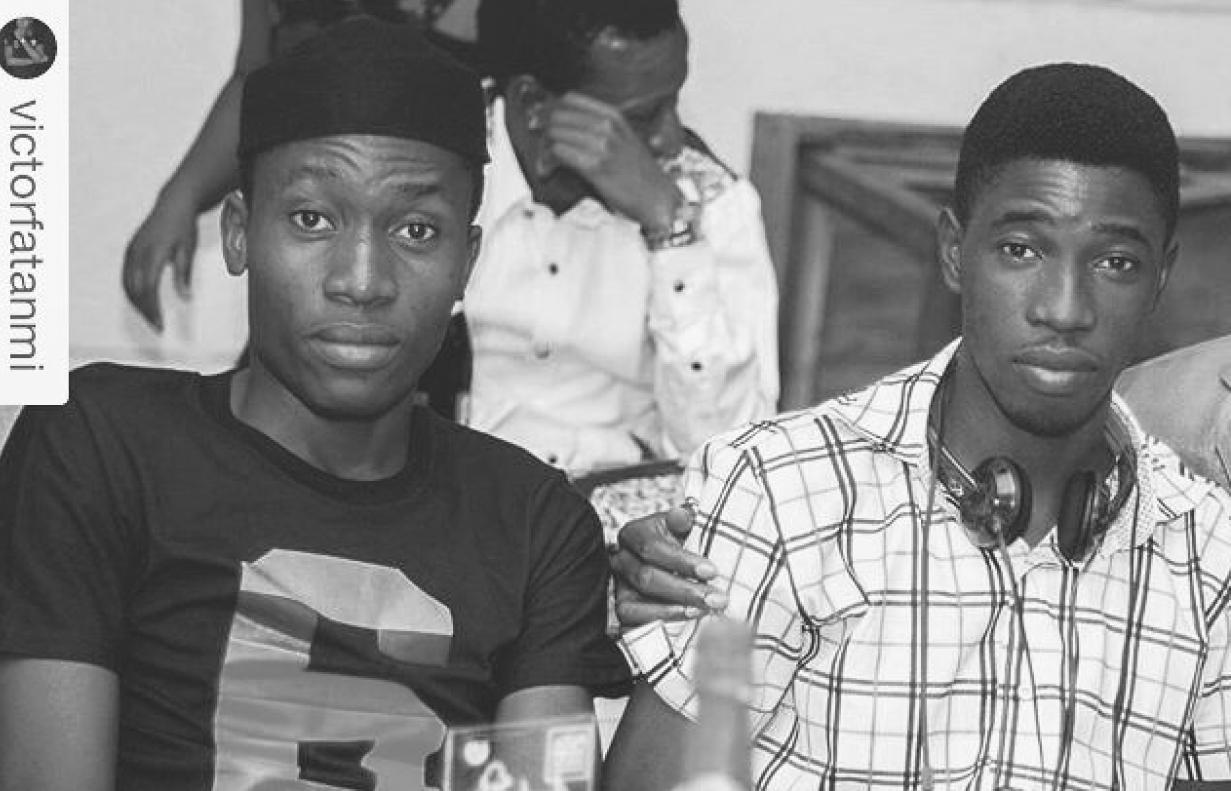
I began to design for almost anyone who asked. I also promised almost anyone that their work would be ready by 9am the following morning. Bolaji, who had become my roommate, saw what happened after those calls. I would go play tennis, join a football argument, wander around chat rooms on 2go, talk on the phone with undergraduates of the other gender, and then start to fall asleep. He would tap me and ask: “That thing you promised for 9am, what is the plan to deliver it seeing that you are going to sleep?”
I made the promises while Bolaji asked what it would take to honour them. Till date, it still feels that way, but today I’m a little bit more than just promise. And now we also have Tunji Ogunoye, Mary Afolabi and a few others in leadership who feel like better mixes of us both, while bringing their own full selves to the table.
On one seemingly random evening, Bolaji and I walked, or say wandered down a crowded street right on the edge of the Federal University of Technology Akure campus, in search of food and meaning. As our eyes rolled at the busy, complicated, and unappealing signs and boards by the roadside, one question popped up that went beyond what to eat:
“How much more, no matter how little, could these businesses be doing if they just looked a little better?”
It came to be on the back of several questions that came before it, while birthing even more, establishing, one question at a time, the core ideology we would nurture for years before we could name it: Care.
We certainly had no guide for building an agency. On Facebook and Google, we had found one or two examples we admired from faraway Lagos, and many more from London, whose distance we couldn’t even quantify. There was no academy or template to show us how to get from a student room in Akure to anything like them.
So we started in the form available to us. We leaned mattresses against walls to turn rooms into offices. At one point, we occupied a table in the corner of a photocopy shop. We tried one way of running the business, then another. Every new idea felt, briefly, like the one we had finally been looking for. Till date, we continue to hit “the golden idea!” We must have run the business in 11 different ways in 11 years. Every one builds on the one that came before it and helps to establish the one that follows.
My freelance work had carried the name Victor Gold Creations. When Bolaji became more involved, it became VGC Media. Then, in 2015, a friend of ours in Lagos, Adedeji Alebiosu, ran into one of our earliest employees, Nifemi Akinwamide. He expressed how much belief he had in what we were up to and wondered how much more we could achieve if we took things more seriously. Another question.
That week, I led several informal brainstorming sessions involving Bolaji, Nifemi, and Segun Oroyo, who was the other graphic designer on the team apart from me (and future co-founder with us on Fullgap). We decided it was time to run VGC Media like an agency that could go on to do really great things. For a start, we decided it had to die. Although Nifemi and Segun both moved on to other companies in the months after the restart, their names remain on the first page of the story now titled FourthCanvas. (Before you ask, there’s no special story to the ‘Fourth’. It just sounded perfect with ‘Canvas’, which meant to us a platform from which we could create just anything).
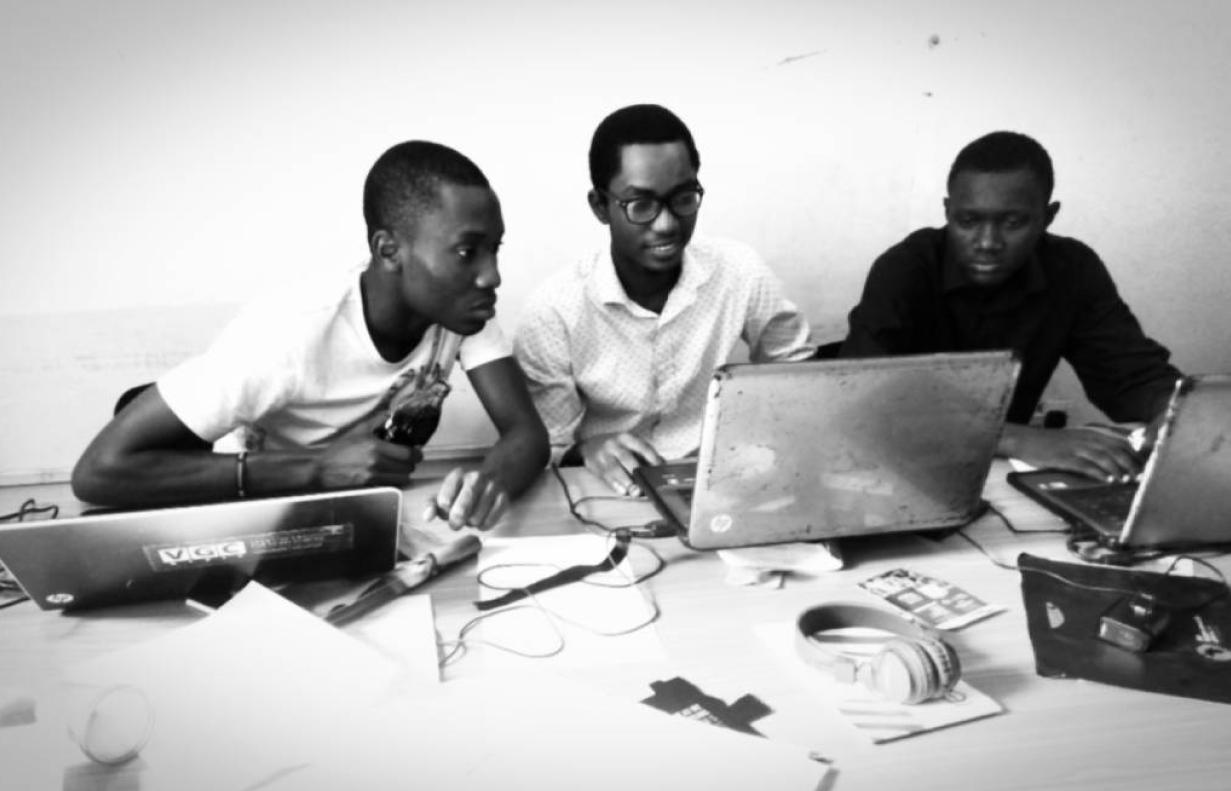
In those years, we set ourselves a goal of becoming one of the top 10 agencies in the world by 2025. 10 in 10 or nothing! Our ignorance of what it would require was as loud as the boldness with which we set the goal. We wouldn’t achieve the goal, but we would begin to build the frame, starting with Tunji Ogunoye by July 2016.
By September, before we had even clocked a year, I almost met my own end in a violent knife attack by armed robbers. I was standing by the roadside, typing an email on my phone to one of our design interns with feedback on their work. I survived by what I now know to be God’s grace.
Building the frame
Fresh from Obafemi Awolowo University, Tunji brought a level of execution speed we didn’t know existed in graphic design. I was not the example, and he didn’t need one. He then introduced us to other designers he had met on campus. First was Mary Afolabi, whose imagination stretched our range and whose Care for younger designers gave their learning more shape. Then Ajayi Ayomide (AJ) came bearing questions about the business and its clients that would eventually lead us into brand strategy. He and Opeyemi Olugbemiro, whom we had invited on board to give words to our journey, were the first brand strategists in FourthCanvas. Aluko drew us toward digital product work, and when he wasn’t drawing buttons, he was photographing our lives and work around the long wooden table we all huddled around in Oba-Ile, on the edge of Akure.
People came and went, as people do. But these five stayed long enough to help build a foundation beyond Bolaji and me. We began to find a rhythm, to give one another room to lead, and to say more clearly what we believed we were there to do. Around 2017, we put it into a mission: “to partner with good businesses to build great brands.” We understood more of that sentence than we had understood our top 10 goal. Still, we did not fully know it, but we were growing in understanding.
The years that followed tested that word partner.
A long agency relationship with Red Media Africa steadied our ship with consistent work and revenue, helping us make the move to Lagos. But it was not the kind of work that excited us at the time. Much of it was urgent, repetitive, and far from the adrenaline we felt helping new clients craft new brands. It was our first real introduction to accounts. To this day, I still don’t like the word, but I understand it and embrace the thinking behind it. It was, in fact, at the heart of what we were trying to build as partners, although I would need several more years to fully appreciate that.
Eventually, we left the engagement. We took a premature flight, off a limited runway. We were up for hard lessons.
What followed was a long struggle to keep the company moving. We tried new ways to run the business and took on work we were proud of, but the pressure made it difficult to keep people. Team members left, sometimes because we could not offer enough stability and sometimes because the uncertainty had become too heavy. Leadership began to feel low. We were asking people to believe in a future that we could not always see clearly ourselves.
I was also drawn further into a digital product we had started to build, called Fullgap. We had an idea to build a tool to manage our operations, from invoicing to contracts and project management. It quickly became a thing on its own and we invited Segun Oroyo as a co-founder. I struggled in those earlier days to efficiently share my attention and energy between both companies. At some point too, maybe due to creative restlessness or overconfidence, I also accepted an invitation to become CMO of a startup as well. Good experience all around but crazy times! Each commitment made sense on its own, but together they left less time for FourthCanvas than the business needed.
Bolaji and the team kept carrying the work, finding ways forward even when the company’s direction felt unclear and its resources were thin. There were periods when the business needed more of me than I was giving it, and I knew it. On the personal front, I also had to survive a serious adversity that further diminished my capacity to lead. At some point, I began to consider succession, wondering who could replace me as CEO. I had not declared my position vacant, but in many ways it had become so.
There were several junctures when FourthCanvas came to the brink of death. I was definitely not going to be the person who would save the company. But each time, something held it together for a little longer: a project, a client, a person willing to stay, or the stubborn belief that the company still had a reason to exist. One thing was never guaranteed: survival.
We had built a company that could do some really good work, but we were struggling to build one that could consistently support the people and the quality of work we wanted. At some point during the difficult years, we had moved much of our creative team to a contractor model because we could no longer afford their full attention. It helped us survive, but it came with consequences we would have to confront later.
Approaching our 10th year, we had yet another restart left in us.
The reset
By late 2024, the question from that walk was still with us. We had seen far more of what design could do for a business. We now had to ask whether FourthCanvas, as we had built it, could give that possibility the attention it deserved.
Off the back of a tumultuous year that had diminished my capacity to lead FourthCanvas, the business kept going because other people continued to believe in what we were building.
Mary was an important source of energy. So was Wilfred Alfred, who had joined us as a fellow and was becoming one of the clearest leadership voices on the team. He came on sales calls with me, listened closely, and returned with questions that showed how deeply he was thinking about the business. After two calls, I left the sales ‘department’ to him. He was also asking questions about marketing and almost everything else. At a time when my own energy and conviction were dwindling, here was a young man whose belief in the mission seemed to be growing by the day.
Towards the end of that year, I began to find my energy back. Bolaji was asking questions. Fortune was asking questions. We were trying to understand how we had arrived here and what we needed to change if FourthCanvas was going to become something more enduring.
One of the most consequential developments came from a retreat that almost never happened.
Bolaji is notorious for never taking leave. He works at almost any hour and has little separation between work and the rest of his life. Around his birthday, Oluremi and I decided to gang up against him. We booked him a few days away, removed him from meetings, and told him he was going to rest. He agreed reluctantly, then tried to join conversations from wherever he was. Each time, we removed him again.
We wanted him to have the rest he deserved. We got more than we had planned for.
Bolaji came back with a clearer way to think about the business. He wanted us to identify the few things its growth depended on and arrange them so that progress in one helped the others. Through several conversations, we arrived at what we called the 4PACS: Great People, Great Appearance, Great Customer Experience and Great Sales.
That gave us somewhere to put our attention. We began to review how we worked with and evaluated people. We looked again at what we had put into the world and whether it still represented us. We infused more life into the sales process that engaged incoming clients. And we asked what our clients actually experienced when they trusted us with their work.
At the same time, I had returned to another set of questions. What had remained true about FourthCanvas through all its different seasons? What did we want to reinforce now? The directors and I revisited our values and arrived at three: Lead, Care and Stretch, with Care at the centre.
Care had been with us from the beginning, even before we had a name for it. But we were now trying to give it a more deliberate place in how we worked and related with one another. It became a rallying point for our internal communications and began to find expression externally too, including in the way we closed our emails: With Care.
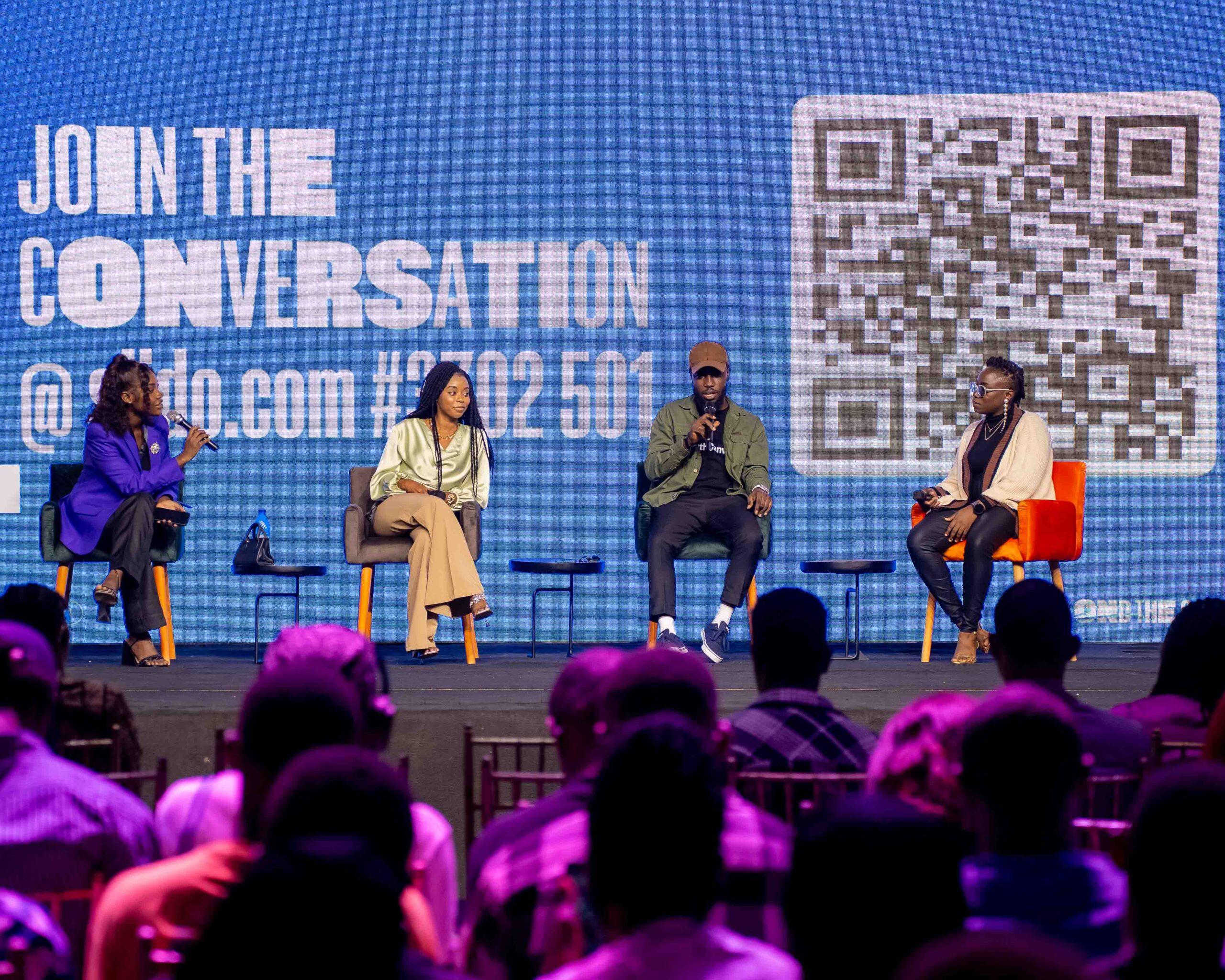
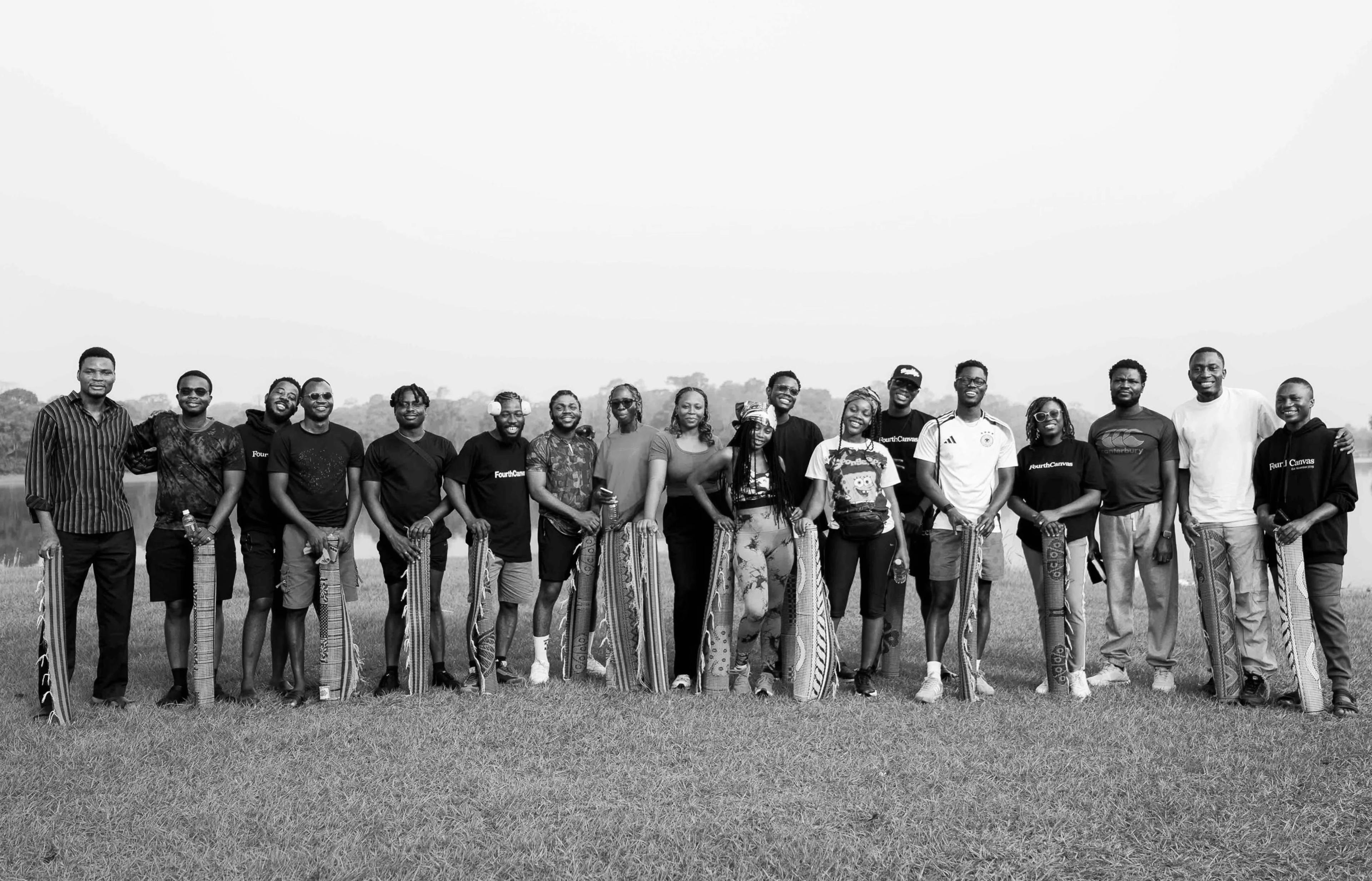
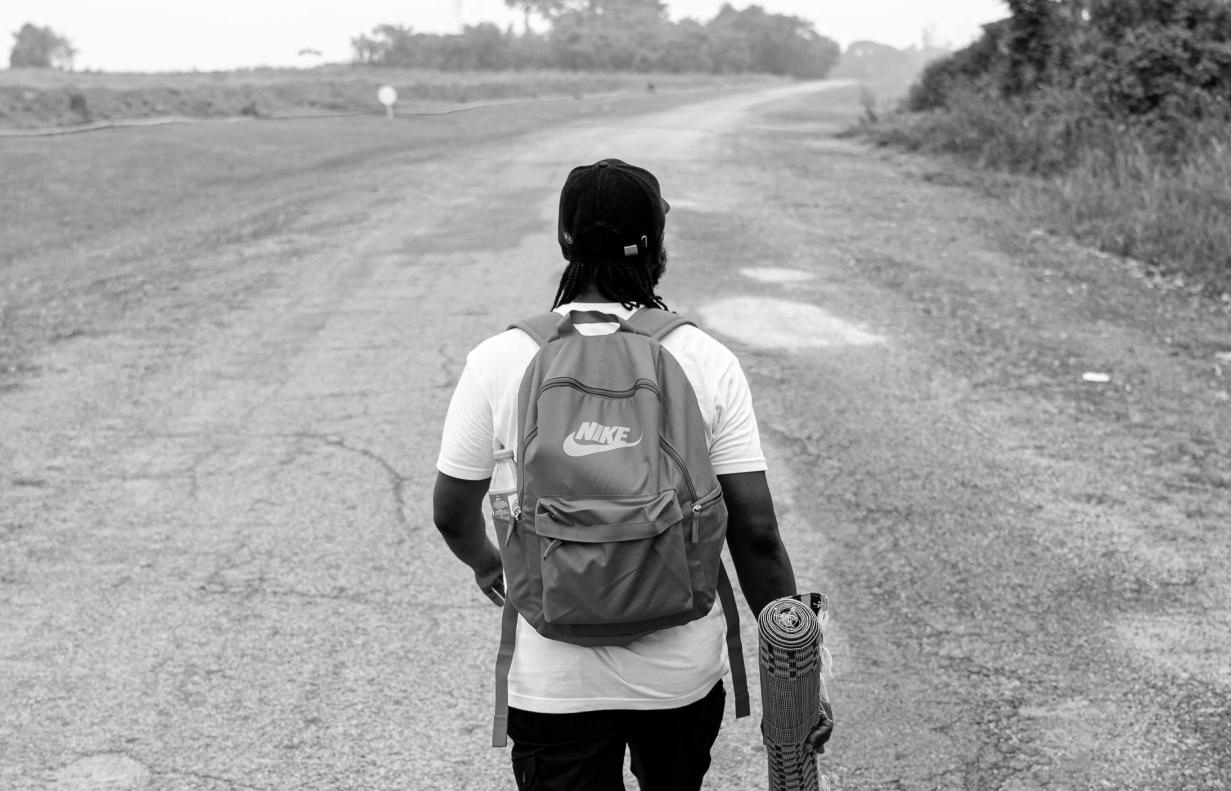
We needed to bring the rest of the team into this new thinking, so we organised a three-day retreat on an island. There was a lot of fun, from yoga and a French class to football, parties and an awards night where we recognised some of the people who had contributed remarkably to the team. In between these activities, we introduced the 4PACS, discussed our values and began to establish a shared understanding of what we were trying to build.
I remember the energy that followed. We had always had incredible people at FourthCanvas, but something about the clarity of what we were now asking of ourselves, and the deliberate effort to keep communicating and modelling it, seemed to stir a new level of ownership across the team.
Wilfred won Citizen of the Year, in recognition of the proactiveness and entrepreneurial spirit he had demonstrated. His growing voice was being actively celebrated and encouraged, and we began to see more people find the confidence to express theirs. People were asking questions, making suggestions, and taking initiative in ways we had not seen at that scale before.
Across the 4PACS, there was work going on everywhere. Great Sales was chasing a half-million-dollar revenue target for the year. Great Appearance was auditing our public-facing materials, archiving old content and questioning whether much of what we had put out in the past still represented the company we wanted people to encounter. Great People was reviewing our evaluation systems, developing new ones and reconsidering how we structured our relationships with talent. And across the business, we were asking more questions about how we could improve the experience of our clients.
We were making progress on several fronts, but Great Customer Experience was proving particularly difficult.
Our initial thinking had focused largely on gestures, the thoughtful things we could do to make clients feel appreciated and Cared for. There was value in all of that, but as we examined the work more closely, we had to confront a more fundamental problem. The quality of the work itself still had a long way to go, and we had to be more deliberate about where we put our limited attention.
We returned to the contractor model we had adopted during the difficult years. The decision had helped us survive at a time when the business could no longer afford to retain the full attention of our creative talent. But it had also made it harder to build the depth of work we wanted to be known for. We had a rethink.
We began to bring people back into more committed engagements and to ask more of ourselves. Whatever else we did to make clients feel Cared for, the work remained at the centre. It was what they came to us for, after all.
Beyond how we treated one another, Care had to show up in the quality of our thinking and the attention we paid to the work. We could not keep talking about Care while leaving the conditions for doing great work to chance.
Everything changed in the pursuit of that.
The changes began to attract projects that demanded that level of commitment.
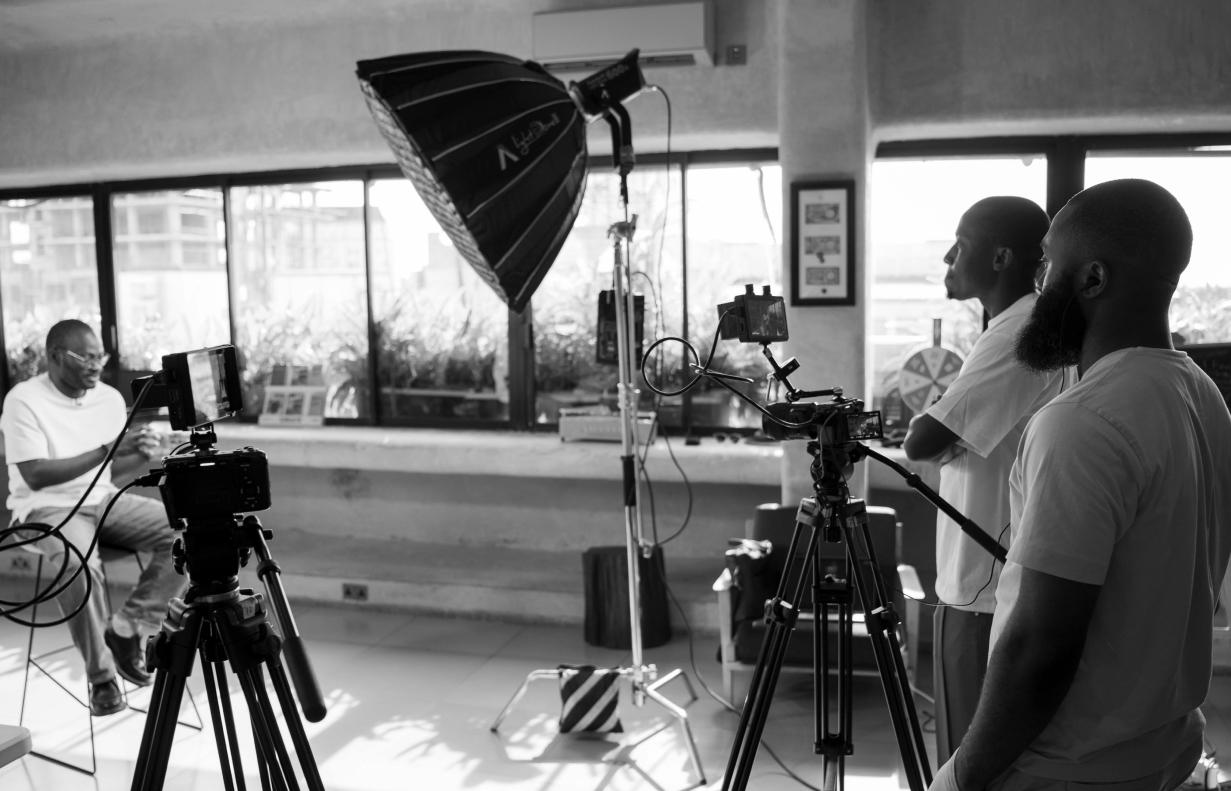
After 10 years of using technology to transform payments and becoming a shining example for the ecosystem while at it, Paystack was trusting us to build the brand for the parent group that would help make room for a bigger decade.
Established in 1999, TLCOM had invested in some of Africa’s most ambitious technology companies and had more than $300 million in assets under management. They were trusting us to help bridge the distance that their veteran status had inadvertently created.
Long before this time, we had been trusted by the likes of Piggyvest (2019), Nomba (2021) and many more highly consequential projects. But now the stakes of the defining moments we were being invited to was getting only higher, and we were better prepared than ever.
Still, we mostly thought about projects, and the joy that came with every new opportunity to chart new paths. At one point, I argued against Bolaji’s proposition that we sought more retainers. All I could think about was the urgency and repetitiveness of it. On the other hand, new work gave us case studies and the kind of attention that might lead to more opportunities. I made my case with a lot of confidence.
Then Bolaji and other team members on his side (I remember Wilfred and Oluremi Akinfaderin at least) brought us back to the sentence we had written years earlier: to partner with good businesses to build great brands.
Was it really partnership if it ended when the new identity was delivered? Isn’t the continuing, sometimes less exciting work of helping a business deploy the new brand identity part of building great brands?
I had no answers that supported what had quickly become my old stance. He had my attention.
I thought about the kind of work we used to do with Red Media Africa. The urgency and repetition that sometimes made it less exciting to me were not necessarily separate from what it meant to support a business over time. Of course, there was a difference between the kind of work that was expected of us back then and the level of respect we now earn in our client relationships, but I could no longer dismiss the idea simply because it did not offer the excitement of a new project.
Partnership over time is where brands become, and the one-time work of identity design was only the beginning. I always knew this in theory, but now I had to face the reality of it. Almost a decade after we wrote that mission, we were still finding out what it required of us.
We had this rethink around our 10-year mark. Today, recurring revenue from same clients form over 65% of our entire revenue, just about a year into the new decade. I find it interesting that something I once argued so strongly against has become such an important part of how we now think about the business. But that is the story of FourthCanvas, of one question leading to many others, and sometimes leading us back to things we thought we had already understood.
At the 2025 timeline to become one of the top 10 agencies in the world, we were nowhere near it. It’s 2026, we still aren’t. We’ve also stopped looking. Not because we no longer want to build a globally consequential agency, but because we have come to ask different set of questions.
What type of value do the top agencies in the world create for their clients? Are we doing our absolute best work for our clients? What would a world-class agency look like from Lagos, Nigeria? What would happen if we did our work with the utmost Care and rejected good on the way to great?
It all comes together
Eleven years in, these scattered past experiences are coming together as wisdom for the future. Kids are becoming parents. Pleasure is becoming joy. Excitement is giving more room to Care. Like my mentor, Mr Kola Oyeneyin, told Bolaji and me when he prayed for us on the phone in commemoration of our 11th anniversary, we are now past the decade of survival and one step into the decade of scale.
Indeed, we have taken our first step towards global scale, with Tunji Ogunoye now setting up and leading our operations in the UK, and eventually across Europe.
We were all just kids when he first came on board one Saturday evening to help us deliver urgent flyers for a presidential campaign in Senegal. The project had come through Red Media Africa on a phone call that morning, while we were still reporting at the police station that armed robbers had broken into our ‘room-office’ and stolen our laptops. That’s a whole story on its own, but I can still picture us sitting at a restaurant called BKFC in Akure, not so long ago it seems, and now Tunji is coordinating our expansion as Director in the UK. It all comes together.
We are also finding the scale in the places we eventually want it the most, here in Africa. We now have clients in Kenya and South Africa, with the latter reminding me of one of my favourite full-circle moments.
In 2016, I had asked a prominent tech founder in Lagos why they did their rebrand with a South African agency and did not consider doing it locally. He went on and on about the quality and depth of the process. He was right. Indeed, there were hardly any local agencies focused on brand design. I told him we would do something about it.
Imagine my joy when, about a decade later, we won a deal for which several South African agencies were actively considered, even though we charged the highest. Scale.
For a long time, we tried to create momentum. Now, the business is moving faster than the people leading it. It was Wilfred Alfred who first put it in these words, acknowledging that his current abilities in a capacity he leads for us were not yet enough for where the business was going, but committing to catching up with what our trajectory now required. He was speaking for all of us, starting with me.
That asks more of us than enthusiasm. We are learning faster, putting our thinking and processes into words, and making firmer decisions about talent and leadership. Recently, Oluremi developed a decision log to track how and why we make our major decisions. Tunji is creating new internal structures and challenging models that had looked right for years. Mary is pushing work that only appears great to actually become so. Bolaji is steadying us up financially like we’re running a fund, working with the ever trust-inspiring Timilehin Omotoyinbo, who was there with us in the hostel when we met back in 2012.
We are committed to making the company capable of delivering on the trust people now place in it. Some days, that means making an exciting new choice. On other days, it means doing a familiar thing with more Care and attention than we gave it before.
Once in a while, I wonder what has been the most critical factor in the progress we have made in 11 years. I have not been the most exceptional leader, and many of our most important decisions have come from people other than Bolaji and me. I think the one thing we can take some credit for is creating a culture that enables others. And we can only take some credit, because it is the people who have also strengthened the culture itself.
People have always been able to trust us, question us, disagree with us, push for new things, and get recognized and encouraged for sticking their necks out. Many of the questions that have moved this company forward were not mine. Some were questions I initially disagreed with. It has taken me years to appreciate just how important that is. It’s why these days I’ve been thinking more about culture because it seems like everything else sits on it. I do not think we have finished building that culture or that we are in a perfect place. But it’s one of the my personal top priorities as other leaders take the wheel of the actual scale and growth.
For years, we wanted to be one of the top ten agencies in the world. While the scale of that ambition remains relevant, the ranking itself was a distraction from the question that mattered: how much was possible when we partnered with our clients to help them become more?
Now we know better. We know it would begin with Care across the board, from how we treated ourselves to how we treated the work. And that the only way to do it with Care would be to ask more questions.
I think back to that evening walk a lot. We had no idea how many more questions that one question would lead us to, or that some of the hardest ones would turn out to be about ourselves.
We wanted to know how much more was possible for those businesses. We’ve spent 11 years building a company to answer a question that came up two years before Day 1, and we are still unravelling it, with new understanding birthing new questions.
Today, the question is: What is possible if we continue to insist that good is not enough?